






A noisy home office can make it harder to focus, join meetings, record content, or simply get through the workday without feeling distracted.
But here’s the good news: you don’t need to completely soundproof your room to make it feel quieter.
In most home offices, the goal isn’t to block every sound from entering the room. Instead, it’s about reducing echoes, controlling sound reflections, and creating a more controlled acoustic environment.
Here are some practical ways to make your home office quieter—without turning the entire room into a construction project.
1. Start With the Sound You’re Actually Dealing With
Before adding acoustic products, identify where the noise is coming from.
Is it:
-
Echo bouncing around the room?
-
Conversations from another part of the house?
-
Keyboard and mouse sounds?
-
Background noise during video calls?
-
Sound reflecting off bare walls and hard surfaces?
Different problems require different solutions.
If your biggest issue is echo and sound reflections, acoustic treatment can make a noticeable difference. If the problem is sound coming through a wall or window, you may need to address the source instead.
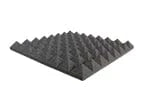
2. Add Acoustic Panels to Reduce Echo

Large, empty walls can create plenty of surfaces for sound to bounce between.
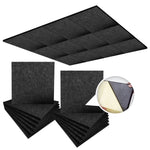
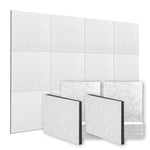
Acoustic panels help absorb some of those reflections, making the room sound less harsh and echoey.
You don't necessarily need to cover every wall. Start with the areas where sound reflections are most noticeable, such as the wall directly behind your desk or other large reflective surfaces.
A few strategically placed panels can often be more practical than covering an entire room.
3. Try an Acoustic Desk Divider

If your workspace is open or you share a room with other people, treating the walls alone may not solve everything.
An acoustic desk divider adds a layer of acoustic treatment directly around your workspace. It can help create a more controlled area around your desk while also giving your workspace a clearer sense of separation.
For example, the Arrowzoom Acoustic Desk Divider PRO is designed to sit directly around your desk, making it a practical option for home offices, shared workspaces, and setups where wall-mounted treatment isn't ideal.
Instead of treating the entire room, you can focus on the space where you actually work.
4. Use Furniture to Your Advantage
You don't always need specialized acoustic products to improve a room.
Soft and irregular surfaces can help reduce the amount of sound that freely bounces around the space.
Try adding:
-
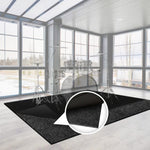
A rug or carpet
-
Curtains
-
Fabric furniture
-
Bookshelves
-
Soft furnishings
-
Larger upholstered items
A room filled with hard surfaces—such as bare walls, glass, tile, and a large empty desk—will generally sound more reflective than a room with a mixture of textures.
5. Rethink Your Desk Position
Where you place your desk can affect how sound behaves around your workspace.
If possible, avoid placing your desk directly in the middle of a completely empty room. Consider how sound travels between your desk, walls, windows, and other large surfaces.
For video calls or recording, also think about what is behind and beside your microphone. Those surfaces can influence the sound that gets reflected back toward the mic.
Sometimes, simply changing your setup can make your workspace feel noticeably different.
6. Don't Try to Soundproof Everything
This is one of the biggest misconceptions about improving room acoustics.
Acoustic treatment and soundproofing are not the same thing.
Acoustic treatment focuses on improving how sound behaves inside a room—for example, reducing unwanted reflections and echo.
Soundproofing, on the other hand, is about reducing sound transmission between spaces. That usually requires much more extensive construction and structural changes.
For a typical home office, you may not need full soundproofing at all.
If your main problem is that your room sounds echoey or your workspace feels acoustically uncontrolled, targeted acoustic treatment can be a much simpler place to start.
7. Build a Quieter Workspace, Not Just a Quieter Room
The best approach is usually to think about your workspace as its own acoustic zone.
Start small:
Identify the problem → treat the biggest reflections → improve your desk area → adjust the room layout → test the result.
You don't have to transform your entire home office overnight.
A few thoughtful changes—such as acoustic panels, softer furnishings, better desk positioning, and an acoustic desk divider—can help create a workspace that feels more comfortable and controlled.
Ready to Improve Your Workspace?
You don't need to completely soundproof your home office to create a better environment for working, gaming, studying, or taking calls.
Start with the areas that matter most—and build from there.
Explore the Arrowzoom Acoustic Desk Divider PRO and create a more focused acoustic zone around your desk.